5 Ways Interlock And Flagstone Installation Upgrades Driveways
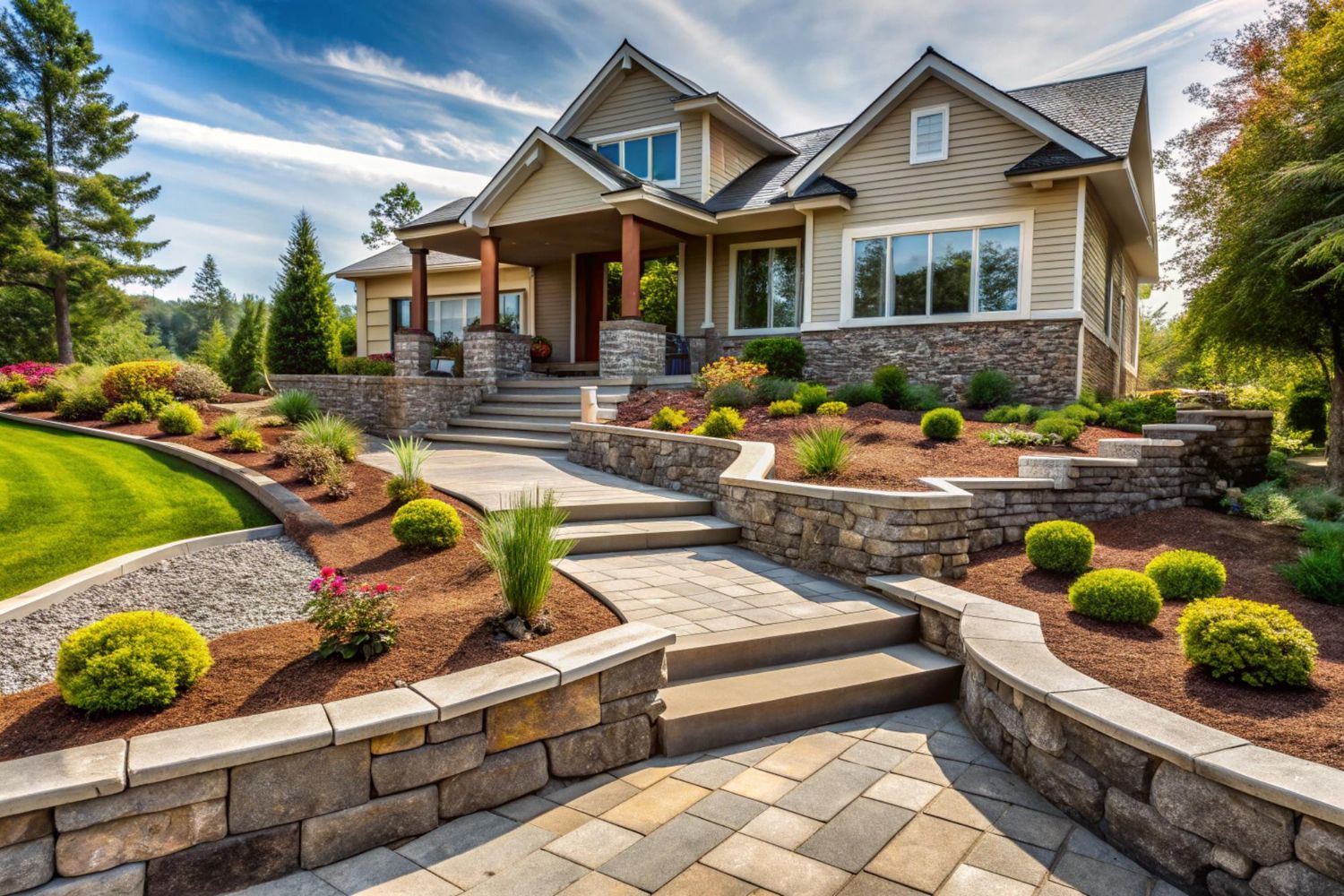
A cracked asphalt driveway instantly drags down the curb appeal of an otherwise beautiful home. Many residents patch these cracks yearly but find themselves dealing with the same ugly potholes after every winter. Rankin Brothers Contracting replaces these failing surfaces with durable hardscaping that handles heavy vehicle traffic with ease. Choosing premium pavers over basic poured concrete offers massive long term benefits for your property.
Hardscaping requires meticulous base preparation to prevent shifting and sinking over time. An expert interlock and flagstone installation relies on proper excavation and compaction techniques to create a permanent foundation. Understanding the technical advantages of these materials helps you make an informed decision about your property exterior.
In This Article:
- Tip 1: Deep Excavation Prevents Frost Heave
- Tip 2: Polymeric Sand Stops Weed Growth
- Tip 3: Flexible Joints Handle Heavy Loads
- Tip 4: Permeable Options Manage Surface Water
- Tip 5: Immediate Usability After Laying
- Frequently Asked Questions
- Planning Your Driveway Upgrade
Tip 1: Deep Excavation Prevents Frost Heave
A driveway is only as strong as the dirt beneath it. Digging deep ensures the stones never sink when the ground freezes.
- We excavate far below the topsoil to reach stable subgrade materials.
- Thick layers of crushed gravel are compacted heavily to create a solid base.
- This deep preparation stops winter frost from pushing the stones upward.
Tip 2: Polymeric Sand Stops Weed Growth
Old brick patios are notorious for sprouting weeds between the joints. Modern installation methods eliminate this annoying maintenance chore completely.
- We sweep specialized polymeric sand into the gaps between every stone.
- When activated with water, this sand hardens into a tough, concrete like barrier.
- The hardened joints block weed seeds from taking root and stop ants from digging nests.
This is a pattern the team at Rankin Brothers Contracting hears regularly.
►Client Experience: Donna Fedorkow shared "They and their team are pure craftsmen. They beautifully restored our flagstone path and drivway. They arrived on time and completed the projects promptly and on buget."
Properly restoring a driveway means doing the technical base work correctly so the final product looks incredible for decades, as Donna noted.
Tip 3: Flexible Joints Handle Heavy Loads
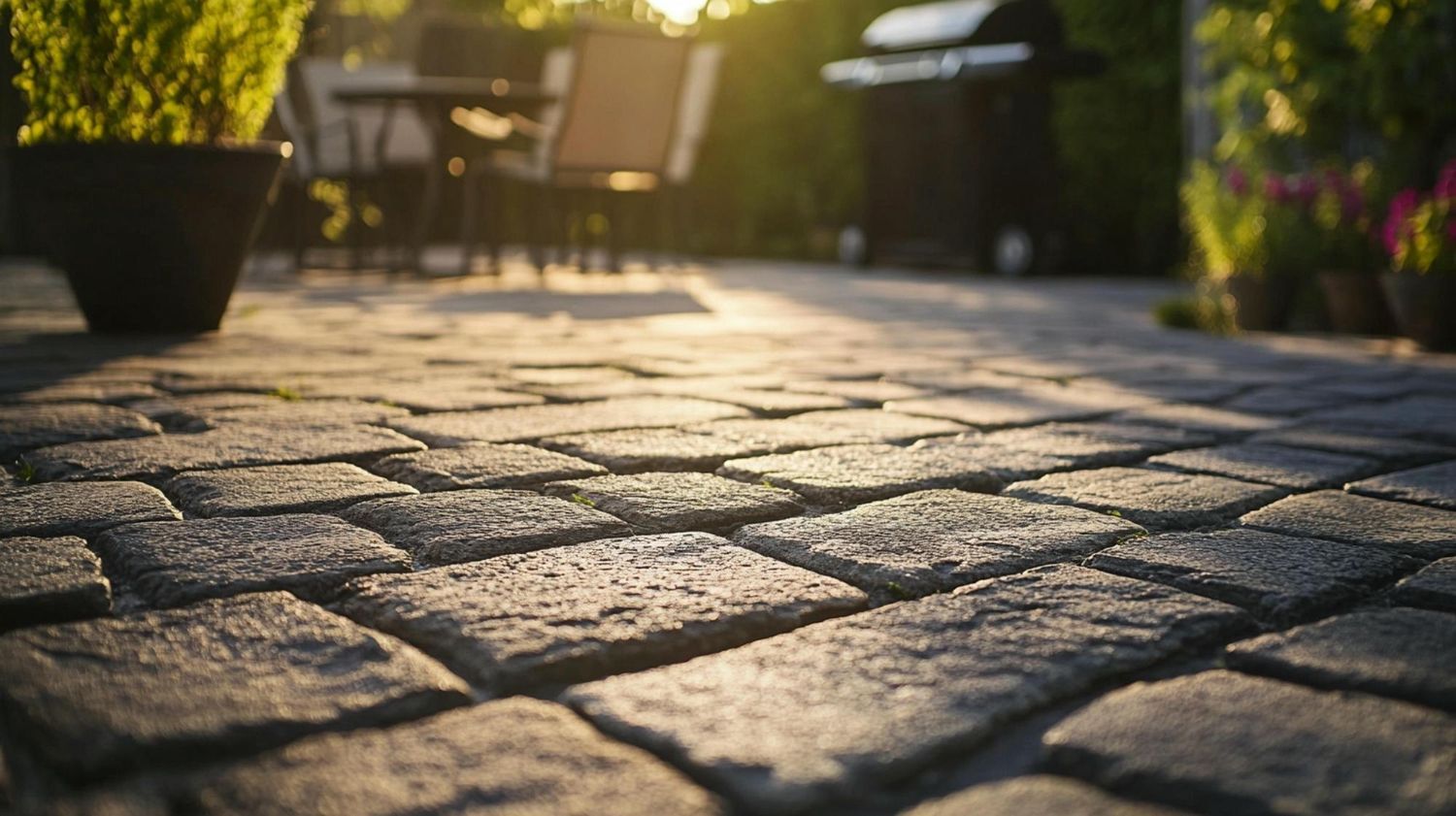
Concrete slabs eventually crack because they cannot flex under the weight of heavy trucks. Interlocking stones act as a flexible system that distributes weight evenly.
- The individual pavers shift slightly under heavy vehicle tires without breaking.
- This flexibility makes interlock ideal for multi car households in Ancaster.
- If a stone is ever stained by motor oil, it can be lifted and replaced individually.
Tip 4: Permeable Options Manage Surface Water
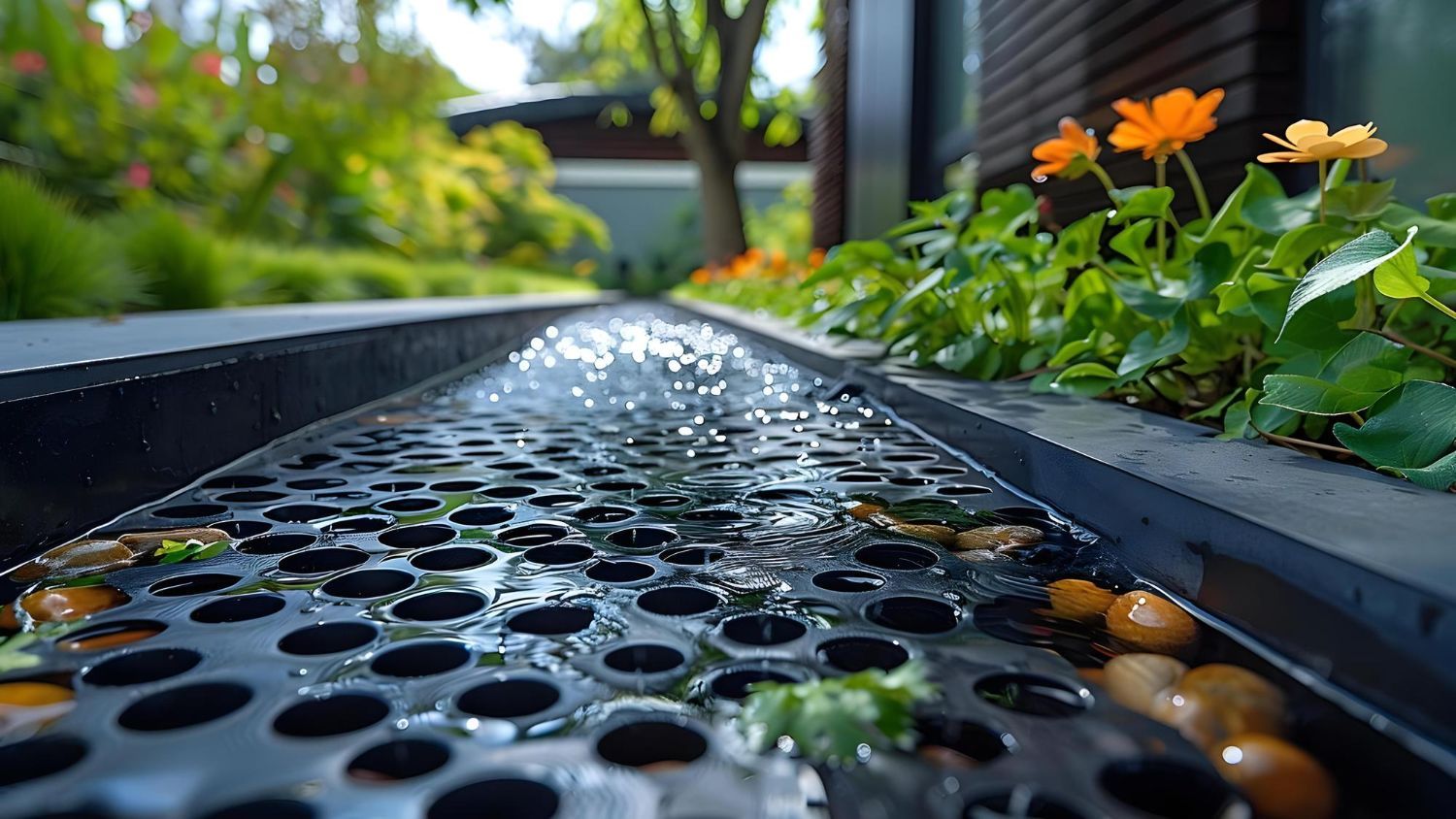
Flat driveways often send sheets of rainwater directly into the street or toward your garage. Permeable paving solutions allow water to drain naturally into the earth.
- We use specific spacer tabs to leave wider gaps between the paving stones.
- Rainwater flows through the gaps and into a specialized gravel sub base.
- This eco friendly approach prevents puddles and reduces ice formation in the winter.
Tip 5: Immediate Usability After Laying
Poured concrete requires several days to cure before you can safely park a vehicle on it. Hardscaping offers a much faster return to normal daily life.
- Pavers are fully cured and load bearing the moment they arrive from the manufacturer.
- Once the joint sand sets, you can drive your cars onto the surface immediately.
- This rapid turnaround minimizes disruption to your family routine.
Frequently Asked Questions
Can you lay interlocking pavers in cool weather?
We absolutely lay pavers in cooler autumn weather. In fact, cooler temperatures are often ideal for hardscaping because the polymeric joint sand cures predictably without the risk of flash drying in the hot summer sun. As long as the ground is not frozen solid, we can excavate and compact the gravel base effectively.
Does autumn rain affect flagstone base setting?
Heavy rain does require us to pause active excavation so the subgrade does not become a muddy mess. However, once the crushed gravel base is installed and compacted, rain actually helps settle the dust and tightens the aggregate layers. We simply wait for the surface to dry completely before applying the final jointing sand.
How long should patio base gravel settle before paving?
When we use heavy duty vibratory plate compactors, the gravel base is locked into place instantly. There is no need to wait weeks for the gravel to settle naturally. Mechanical compaction ensures the base achieves maximum density right away, allowing us to begin laying the flagstone or interlock immediately.
Planning Your Driveway Upgrade
You deserve a driveway that enhances your home architecture and functions flawlessly. Investing in high quality paving materials ends the endless cycle of patching and sealing old asphalt. Call our office today to request a site visit and explore your hardscaping options.
Share This Blog