Stop Autumn Erosion Fast Through Retaining Walls Installation
Steep property slopes turn heavy autumn rainstorms into damaging mudslides that wash away expensive topsoil. Homeowners often watch their gardens degrade year after year because they lack proper structural support. Rankin Brothers Contracting engineers heavy duty block systems that hold back thousands of pounds of wet earth securely. Stopping soil movement requires a mechanical barrier that is built to handle extreme environmental pressure.
A poorly constructed wall will inevitably bow outward and collapse after a single harsh winter. Relying on professional retaining walls installation guarantees that the blocks are set on a secure footing with adequate drainage. Understanding the physical forces at play helps you appreciate the necessity of proper landscape engineering.
In This Article:
- The Reality Of Hydrostatic Pressure
- Overestimating Small Block Systems
- Settling Timelines And Soil Compaction
- Frequently Asked Questions
- Protecting Your Landscape Investment
The Reality Of Hydrostatic Pressure
The dirt behind a wall is incredibly heavy, but the real danger comes from water. When it rains, the soil absorbs moisture and expands rapidly. This creates hydrostatic pressure, which acts like a physical wedge pushing against the back of the stones.
→ From a professional standpoint: If a wall is built without a layer of clear drainage gravel directly behind it, the trapped water will eventually push the blocks completely over.
Overestimating Small Block Systems
Many property owners visit local hardware stores and purchase small decorative retaining blocks, assuming they can hold back a hillside. These lightweight blocks rely solely on their own mass and a small lip to stay together. They are suitable for a garden bed that is less than a foot tall, but they fail catastrophically when used for structural soil retention. True engineering requires massive, heavy duty blocks secured with geogrid mesh that ties the wall directly into the hillside behind it.
This is something clients notice firsthand.
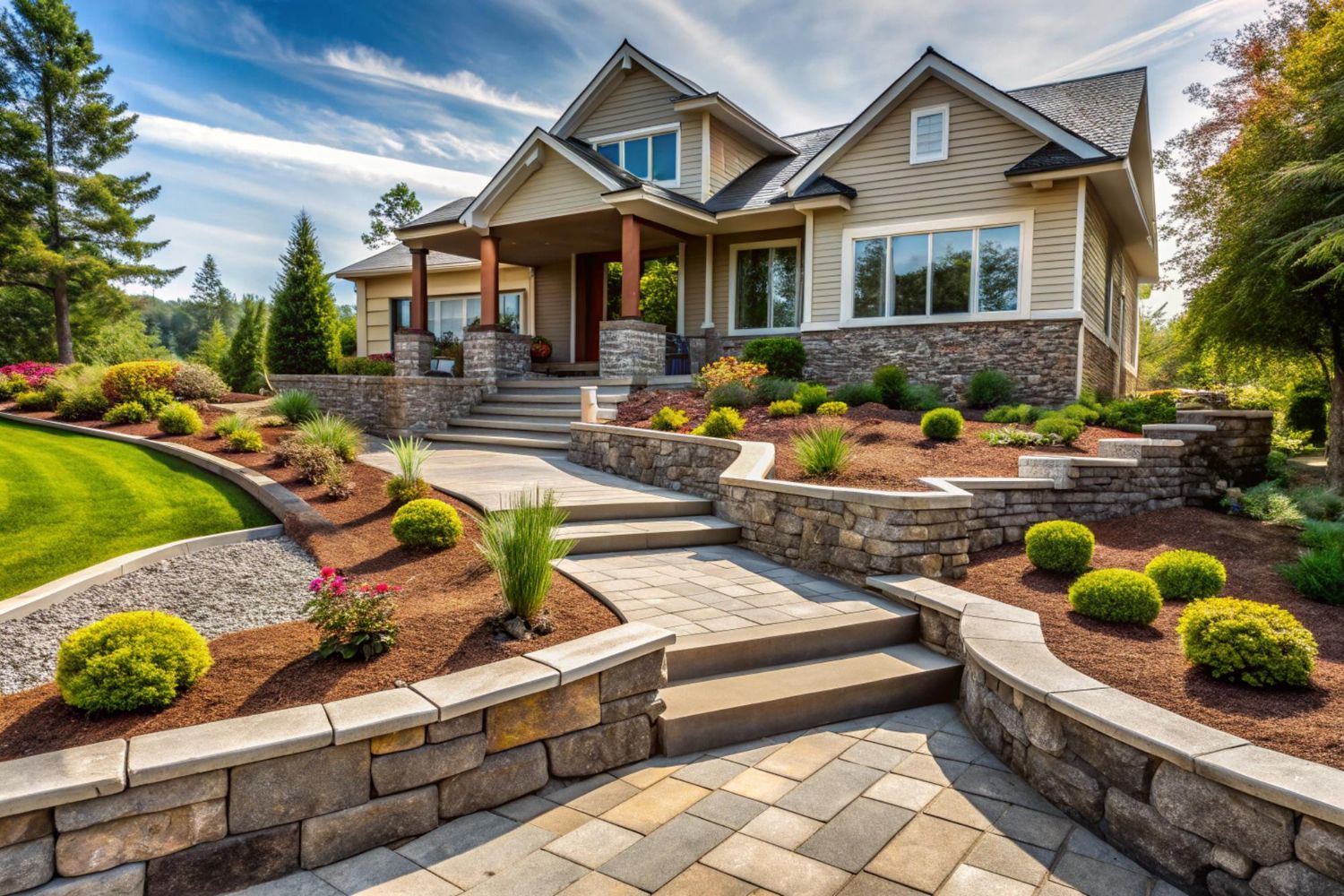
►Client Experience: Bozena Jaeschke shared "They did a lot! large size dry wall, two sets of stairs, two patio landing areas. It was a great experience for us very disciplined and meticulous in their finishes."
Handling large scale retaining projects requires discipline and technical accuracy to ensure the massive stones stay locked in place forever.
Settling Timelines And Soil Compaction
Clients frequently expect the backfilled dirt behind their new wall to be ready for planting immediately. The reality is that newly moved soil requires mechanical compaction in small layers to prevent future sinking. Even with heavy plate compactors, the earth will undergo a minor settling phase over the first few months.
→ A quick tip to remember: Wait at least one full season before installing expensive interlock patios directly above a newly backfilled retaining structure to allow the deep soils to stabilize fully.
Frequently Asked Questions
Can a retaining wall successfully level a sloped yard?
Yes, building a strong retention system is the most effective way to carve flat, usable spaces out of a severe hillside. By cutting into the slope and holding the earth back, we create level terraces that are perfect for patios, swing sets, or garden beds. This dramatically increases the usable square footage of your property in St. George.
How deep does a retaining wall trench need to be?
The base trench must be dug deep enough to bury at least ten percent of the total wall height, plus room for six to twelve inches of compacted gravel base. Burying the first course of blocks completely underground locks the bottom of the wall in place and stops the entire structure from sliding forward under pressure.
Do large retaining walls need weep holes?
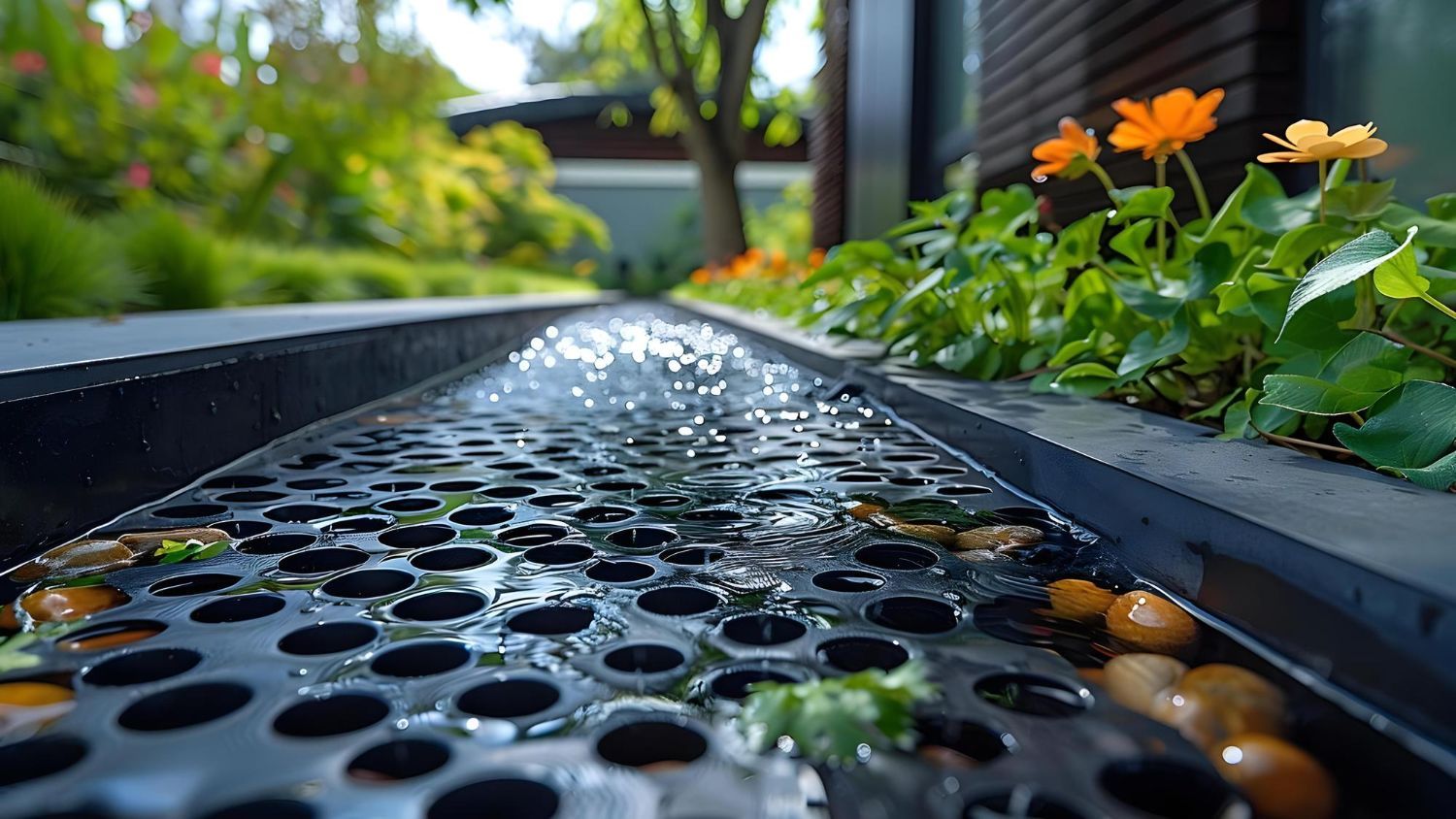
Yes, any wall holding back significant amounts of earth must have a way to release trapped water. We install perforated drainage pipes at the base of the gravel backfill and daylight the pipes through the face of the wall. This allows excess groundwater to weep out safely rather than building up dangerous pressure behind the stones.
Protecting Your Landscape Investment
You do not have to lose your topsoil every time the weather turns bad. A properly engineered block system secures your property boundaries and adds striking architectural beauty to your yard. Reach out to our design team to evaluate your slope and plan a permanent retention strategy.
Share This Blog